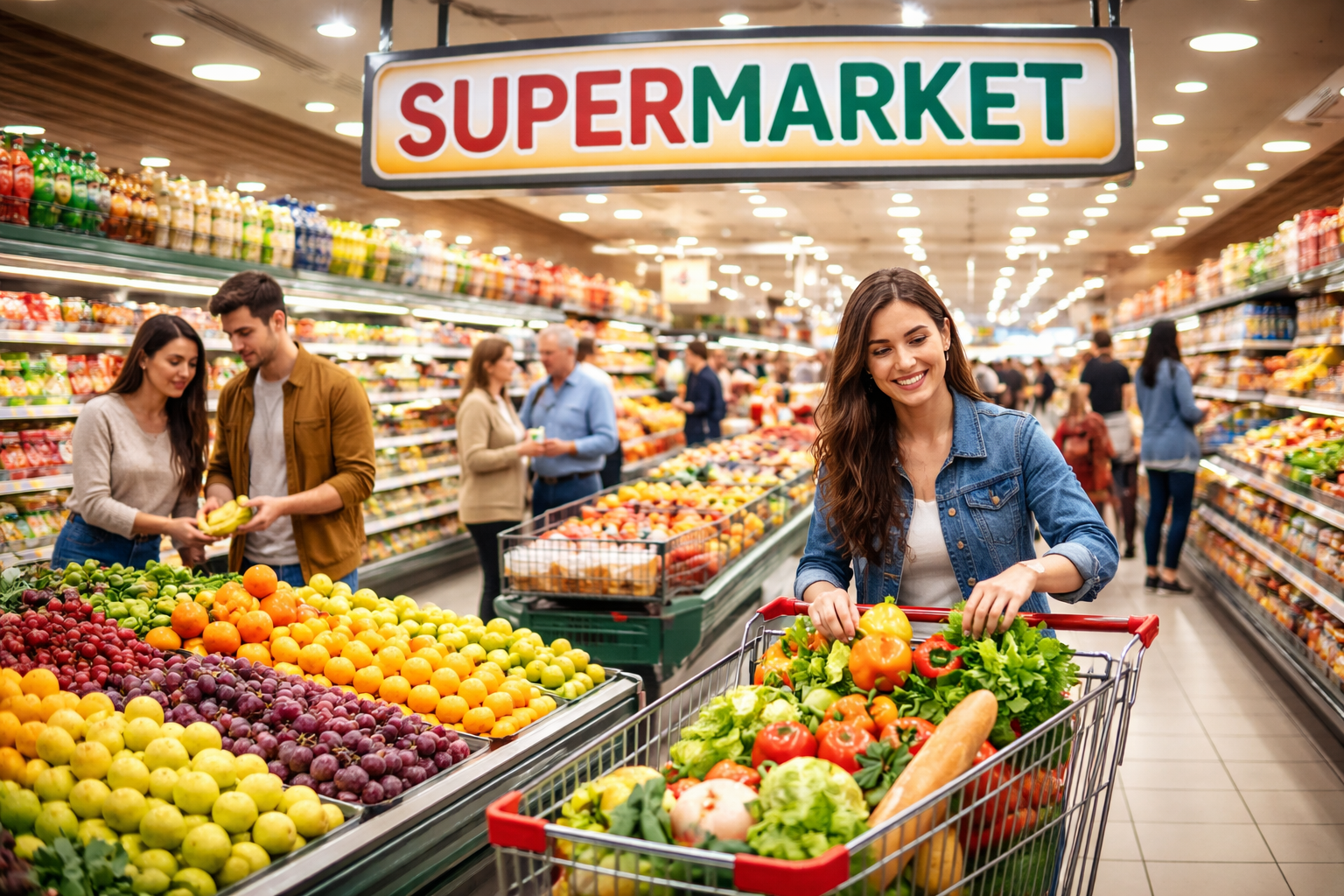
Supermaked
The Ultimate Guide to the Modern Supermaked Experience
Walking into a bustling supermaked today feels much different than it did just a few years ago. We are living in an era where technology meets tradition, and the way we stock our pantries has evolved into a strategic art form. For many American families, the weekly grocery run is one of the most significant expenses, but it also holds the greatest potential for savings. If you feel like your cart is getting expensive while your bags stay light, it is time to change your approach. Mastering the aisles requires more than just a list; it requires an understanding of how these stores operate and how you can use their systems to your advantage.
In this comprehensive guide, we are going to explore the hidden world of the modern supermaked. We will dive deep into the best times to shop, how to decode shelf pricing, and the digital tools that can put hundreds of dollars back into your pocket. Whether you are shopping at a local neighborhood spot or a massive national chain, these principles remain the same. By the time you finish reading, you will have a clear roadmap to becoming a savvy shopper who gets the highest quality food for the lowest possible price. Let’s step inside and see what’s really happening behind the sliding glass doors.
1. The Secret Science of Supermaked Layouts
Have you ever noticed that the milk and eggs are always at the very back of the supermaked? This is not an accident. Store designers want you to walk past as many tempting displays as possible before you reach your daily essentials. This “perimeter shopping” strategy is well-known, but there is more to it than just walking the edges. The middle aisles are often where the highest-profit, processed foods live. These items are frequently placed at eye level, where you are most likely to grab them without thinking. To save money and eat healthier, you must learn to look up and down, as the budget-friendly store brands are often hidden on the very top or bottom shelves.
To truly conquer the layout, you should treat the store like a mission. Start with the heavy, non-perishable items first, then move to the produce section, and save the frozen and refrigerated goods for the very end. This ensures your fresh lettuce doesn’t get crushed by a gallon of juice and your ice cream stays solid until you reach the checkout. By understanding that the supermaked is designed to slow you down, you can consciously choose to speed up. Focused shopping reduces impulse buys, which are the primary reason why many people end up overspending on things they never intended to buy in the first place.
2. Timing Your Trip for Maximum Markdowns
If you want to find the best deals, you have to shop when the supermaked is clearing out inventory. Most stores have a specific rhythm for markdowns. For instance, many bakeries and deli counters start slashing prices by 50% or more about two hours before closing. If you can make a late-evening run, you might find gourmet breads, rotisserie chickens, and prepared salads for a fraction of their original cost. Additionally, many national chains reset their weekly sales on Wednesdays. Shopping on a Wednesday morning often allows you to catch the tail end of last week’s deals while getting first dibs on the new “Manager’s Specials.”
Another great tip is to look for the “ugly” produce or the meat that is nearing its sell-by date. Many people avoid these items, but they are perfectly safe and often significantly discounted. If you plan to cook a steak tonight, buying a package marked “Manager’s Special” because it expires tomorrow is a brilliant way to enjoy a premium meal on a budget. In the modern supermaked, these clearance items are sometimes tucked away in a specific corner of the meat or dairy case. Don’t be afraid to ask a staff member where they keep their “quick-sale” items; they are usually happy to point you in the right direction to help reduce food waste.
3. Decoding the Mystery of Unit Pricing
One of the biggest traps in a supermaked is the “Family Size” or “Bulk” packaging. We are conditioned to believe that bigger is always better and cheaper, but that is not always the case. To find the real truth, you must look at the small print on the shelf tag: the unit price. This number tells you exactly how much you are paying per ounce, per pound, or per sheet. Sometimes, two smaller bottles of laundry detergent are actually cheaper than one giant jug when you break down the cost per load. Retailers know that most people are in a hurry, so they use bright “Sale” signs to distract you from the fact that the unit price hasn’t actually dropped.
Using your phone’s calculator for a few seconds can save you dollars on every single aisle. This is especially true for items like toilet paper, cereal, and snacks. If the supermaked offers a “10 for $10” deal, check if you actually have to buy all ten to get the discount. In many stores, you can buy just one for a dollar. Being a “unit price warrior” is a habit that pays off immediately. Once you start noticing these patterns, you will realize that marketing gimmicks are everywhere, but the math never lies. It is the simplest way to ensure you are never overpaying for the basics your family needs.
4. Leveraging Digital Loyalty and Apps
The days of clipping paper coupons from the Sunday newspaper are mostly gone. Today, the modern supermaked lives on your smartphone. Almost every major retailer has an app that offers “digital only” coupons that you must “clip” inside the app before you scan your loyalty card at the register. These apps also track your spending habits and send you personalized discounts on the things you buy most often. If you frequently buy a specific brand of almond milk, the app will eventually offer you a coupon for it. This is a win-win: the store keeps your loyalty, and you save money on your regular shopping list.
Beyond just coupons, many supermaked apps now feature “scan and go” technology. This allows you to scan items as you put them in your cart and pay directly through your phone, skipping the checkout line entirely. This is a massive time-saver for busy parents and professionals. Some apps even allow you to build a list at home and then tell you exactly which aisle each item is located in once you enter the store. By integrating these digital tools into your routine, you transform a chore into a high-tech, efficient process that protects your budget while saving you precious time.
| Store Type | Best For | Shopping Speed | Price Level |
|---|---|---|---|
| Discount (Aldi/Lidl) | Staples & Canned Goods | Ultra Fast | Lowest ($) |
| Traditional (Kroger) | Variety & Coupons | Moderate | Mid ($$) |
| Warehouse (Costco) | Bulk & Quality Meat | Slow | Value ($$) |
5. The Rise of Private Labels and Store Brands
In 2026, the quality of store brands has reached an all-time high. Many people are surprised to learn that private-label products are often manufactured in the same facilities as the big-name national brands. When you buy a supermaked brand of pasta or canned beans, you are often getting the exact same quality without paying for the expensive television commercials and celebrity endorsements. Switching to store brands for your “pantry staples”—things like flour, sugar, salt, and spices—can easily trim 20% to 30% off your total bill. Most stores are so confident in their brands that they offer a “money-back guarantee” if you aren’t satisfied.
However, there is a psychological hurdle to overcome. We are often drawn to the bright, familiar logos of national brands we saw growing up. The next time you are in the supermaked, try a “blind taste test” with one item. Replace your usual brand of crackers or cereal with the generic version. More often than not, the difference is indistinguishable. As inflation remains a concern for many, embracing private labels is one of the most effective ways to maintain your lifestyle without increasing your spending. It is about being loyal to your wallet rather than being loyal to a corporate logo that charges a premium for the same ingredients.
6. Smart Meal Planning Around Sales
The most successful shoppers don’t decide what’s for dinner when they get to the supermaked. Instead, they check the weekly circular before they leave the house. If chicken breasts are on sale this week, that becomes the base for your meals. If broccoli is at a record low price, that’s your side dish. This “reverse meal planning” is the secret to keeping costs low. Instead of fighting the prices to get what you want, you let the prices guide your menu. Most stores release their digital flyers a day early, giving you time to look through your pantry and see what you already have before you buy more.
When you find a truly great deal on a non-perishable item or something that can be frozen, don’t be afraid to stock up. If your favorite coffee is 40% off, buying three or four bags makes sense. This is called “cycle shopping.” You buy enough to last until the next time the item goes on sale. This prevents you from ever having to pay “full price” for your essentials. By aligning your kitchen’s needs with the supermaked inventory cycles, you create a buffer that protects you from sudden price hikes and ensures your pantry is always full of high-value items bought at their lowest point.
7. The Dangers of Shopping While Hungry
It is one of the oldest pieces of advice in the book, but it remains true even in the high-tech supermaked of today: never shop on an empty stomach. When you are hungry, your brain’s reward centers are highly sensitive to “high-energy” foods. This is why you suddenly find three bags of chips and a pack of cookies in your cart when you only came in for lettuce. Science shows that hungry shoppers not only buy more food, but they also buy more non-food items as well. The state of “wanting” overflows into everything you see. A simple snack before you leave the house can literally save you $20 or more in impulse purchases.
If you find yourself at the store and realize you are starving, head to the deli or the fruit section first. Grab a single apple or a small healthy snack to eat while you finish the rest of your list. Most supermaked managers won’t mind as long as you keep the wrapper and pay for it at the end. This small act resets your brain and allows you to make logical decisions rather than hunger-driven ones. It keeps you focused on your list and prevents the “mystery cart” phenomenon where you get home and wonder why you bought things you don’t even like.
8. Organizing Your List by Aisle
Efficiency is the enemy of the supermaked profit margin. The longer you wander, the more you spend. To combat this, organize your grocery list by the layout of the store. Most stores follow a similar pattern: Produce, Meat, Dairy, Frozen, and then the dry goods in the center. If you write your list in this order, you won’t have to keep doubling back across the store because you forgot the garlic while you were in the milk aisle. This “one-way trip” method keeps you moving and reduces the time you spend exposed to clever end-cap displays designed to grab your attention.
Many modern apps now do this for you. You can type in your items, and the app will automatically sort them into categories like “Produce” or “Baking.” This is incredibly helpful in a large supermaked where finding one specific ingredient can feel like a treasure hunt. When you are organized, shopping becomes a quick task rather than an exhausting ordeal. You’ll find that you have more energy at the end of the trip, and your bank account will reflect the fact that you didn’t spend twenty minutes “browsing” the snack aisle while looking for the bread.
9. The Power of “Stock-Up” Prices
Do you know what a “good” price is for a gallon of milk or a pound of ground beef? Most people don’t. They just pay whatever the supermaked is charging that day. To truly master your budget, you should start tracking the “Stock-Up Price” for your top 10 most-purchased items. This is the lowest price that item typically hits during a sale. For example, if chicken breast is usually $4.99/lb but goes on sale for $1.99/lb every six weeks, that $1.99 is your stock-up price. When you see it hit that mark, you buy as much as your freezer can hold.
Knowing your numbers changes the power dynamic between you and the retailer. You are no longer a passive consumer; you are a strategic buyer. You begin to recognize when a “Sale” sign is actually a good deal and when it’s just a minor discount. This strategy requires a bit of upfront work, but once you know your prices, you can scan a supermaked ad in seconds and know exactly where the value is. It’s the difference between saving a few cents and saving hundreds of dollars over the course of a year.
10. Avoiding the Convenience Tax
The supermaked is full of hidden costs known as the “convenience tax.” This includes things like pre-cut fruit, bagged salads, and shredded cheese. While these items save you a few minutes of prep time in the kitchen, they often cost twice as much as the whole versions. A head of lettuce is almost always cheaper than a bag of salad mix, and it lasts longer in your fridge. Similarly, buying a block of cheese and shredding it yourself not only saves money but also avoids the anti-clumping chemicals found in the pre-shredded bags.
If you are truly short on time, choose your convenience items wisely. Maybe you buy the pre-cut onions because they save you from crying, but you buy the whole carrots because they only take a second to peel. In the supermaked, every minute of labor the store does for you is added to the price tag. By reclaiming some of that labor at home, you can significantly lower your weekly bill. It’s a simple trade-off: a little bit of your time for a lot of their money. Take control of your kitchen and your wallet simultaneously.
Expert Insights & Frequently Asked Questions
What is the absolute best day to shop?
Wednesday is widely considered the best day to visit your local supermaked. This is when new sales launch and mid-week inventory arrives, ensuring maximum freshness and savings.
Are organic items worth the extra cost?
In a supermaked, focus on the “Dirty Dozen” list for organics. For items with thick skins like avocados or bananas, the conventional versions are usually just as safe and much cheaper.
How do I handle expired coupons?
Many stores have a grace period. Always ask the cashier politely; often, the supermaked system will still accept them if they are only a few days past the date.
Is bulk buying always cheaper?
Not always! Always check the unit price. Sometimes the supermaked puts a premium on large containers because they assume you won’t check the math.
Should I use a basket or a cart?
If you only need a few items, use a basket. Psychologically, once the basket gets heavy, you are more likely to head to the checkout rather than wandering for more items.
Can I return opened food items?
Most major supermaked chains have a “no-questions-asked” satisfaction guarantee on their store-brand products. If you don’t like it, bring it back for a full refund.
Final Thoughts: Master Your Cart
The journey through your local supermaked should be one of strategy and success. By applying these luxury-level shopping habits, you turn a mundane chore into a powerful financial tool. Stay focused, shop smart, and always keep your eyes on the unit price. You are now equipped to navigate the aisles like an absolute professional.
You may also like to read About: Charlie HedgesAbout the Author